
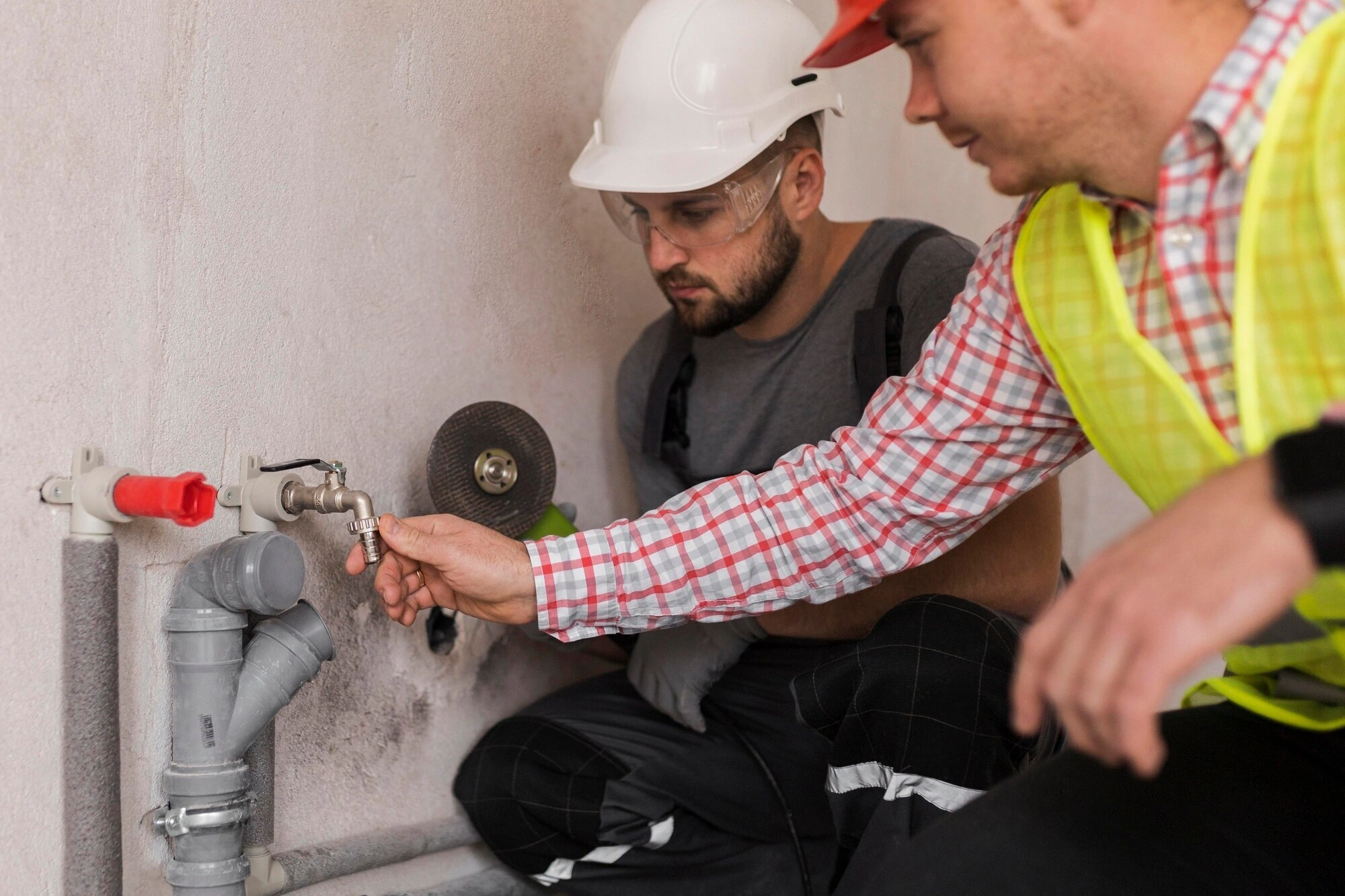
Most Lubbock homes built before 1985 have never had their plumbing updated. That is four decades of wear, hard West Texas water, and freeze thaw cycles quietly degrading the pipes behind your walls.
Aging pipes cause discolored water, low pressure, hidden leaks, and sudden failures that can flood a home overnight. This guide answers the most common questions Lubbock homeowners ask before deciding whether to update or fully replace their plumbing.
BTAC Inc. is Lubbock’s licensed local plumbing expert for residential replumbing projects, from camera inspection through final permit sign-off.
How Long Do Pipes Last in a House Before They Need to Be Replaced?
Most plumbing systems last between 50 and 70 years, but the actual lifespan depends on pipe material, local water quality, and how the system has been maintained. In Lubbock, hard water with high mineral content can shorten that lifespan significantly.
Pipe Lifespan by Material
- Galvanized steel: 20 to 50 years, common in pre 1960s homes and prone to internal corrosion
- Copper: 50 to 70 or more years, still the gold standard for longevity
- PVC and CPVC: 25 to 40 years, widely used from the 1970s onward
- Polybutylene (gray plastic): prone to early failure regardless of age; replace immediately
- PEX (modern flexible pipe): 50 or more years, today’s preferred choice for repipe projects
What Shortens Pipe Lifespan in Lubbock Specifically?
- Hard West Texas water causes mineral buildup that narrows the pipe diameter over time
- Freeze-thaw cycles expand water inside pipes and stress joints during sudden cold snaps
- Lubbock’s expansive clay soils shift underground pipes and slab plumbing over the years
- Inconsistent water pressure wears out pipe fittings faster than normal
Pipe Age and Condition at a Glance
| Season | Best Time | Recommended Action | Key Benefit |
| Pre-1960 Homes | Galvanized Steel | Replace immediately | Prevents rust contamination and pressure loss |
| 1960s to 1985 | Copper or Early PVC | Inspect and test | Copper may still be serviceable with minor repairs |
| 1978 to 1995 | Polybutylene (gray plastic) | Replace immediately | High failure risk; lenders and insurers often require removal |
| Post-1990 | PVC, CPVC, or Copper | Routine inspection | Lower risk; check joints and fittings for early wear |
How Do I Know If My House Needs New Plumbing?
There is a difference between a single fixture acting up and your whole plumbing system signaling that it is at the end of its life. These are the key warning signs that point to a system-wide problem rather than a one off repair.
You Keep Getting Leaks in Different Spots
One pipe leak is a repair. Leaks appearing in three different places over two years is a pattern. When corrosion has progressed far enough, multiple sections of pipe start failing around the same time. Patching one spot simply delays the next callout.
Your Water Looks Brown, Orange, or Smells Metallic
- Brown or orange tint points to corroding galvanized pipes shedding iron into your water supply
- Blue-green staining in sinks or tubs indicates copper pipe corrosion
- A metallic taste suggests aging galvanized or lead containing joint material leaching into water
Whole Home Water Pressure Has Dropped Over the Years
If every fixture in your house, including showers, the kitchen faucet, and laundry, is noticeably weaker than it used to be, the issue is usually internal pipe buildup rather than a pressure regulator problem. Decades of mineral scale can reduce the interior diameter of a galvanized pipe to a fraction of its original size.
Also Read: 6 Plumbing Issues That May Be Causing Your Low Water Pressure
You Can See Rust, Flaking, or Dimpling on Exposed Pipes
- Check pipes visible in utility rooms, under sinks, and in any crawl space areas
- Surface corrosion almost always means the interior of the pipe is in worse condition
- Powdery white buildup on copper signals mineral corrosion; orange flaking on steel indicates advanced rust
Your Home Is Pre 1985 and Has Never Been Replumbed
Even without visible warning signs, a home approaching or past 50 years old with original plumbing carries real risk. Texas insurers and home buyers are increasingly scrutinizing pipe material and age during transactions.
What Is the Best Pipe Material to Use When Replumbing a House?
| For most residential replumbing projects in Lubbock, TX, PEX piping is the top choice because it is flexible, freeze resistant, and easier to route through older walls without major demolition. Copper is also excellent for longevity, but costs more upfront. The right choice depends on your home’s layout, budget, and how much wall access is needed. |
PEX (Cross Linked Polyethylene): Today’s Most Popular Choice
- Flexible enough to bend around corners without fittings, ideal for routing through older framed walls
- Freeze resistant because it expands rather than cracks during a Lubbock cold snap
- 50 or more year lifespan and resistant to scale buildup from hard water
- Lower material and labor cost than copper for the same job
Copper: The Long Lasting Classic
- 50 to 70 or more year lifespan when properly installed
- Naturally antimicrobial with excellent long-term water quality
- Higher upfront cost and requires soldering during installation
- Best for main supply runs where budget allows; preferred by some buyers and appraisers
CPVC: A Budget Friendly Middle Ground
- Handles hot water well and is rigid and affordable
- Less flexible than PEX, so it requires more wall access during installation in older homes
- 25 to 40 year lifespan; a solid mid-tier option for partial replacements
Legacy Pipes to Watch For in Your Walls
- Lead pipes found in homes built before 1940 must be replaced regardless of condition, as a health priority
- Galvanized steel is gray, heavy, and magnetic; common pre-1960 and corrodes from the inside out
- Polybutylene is a gray plastic common from 1978 to 1995 with a class action failure history; replace immediately
Also Read: Plumbing Upgrades That Save You Money
Should I Repair or Fully Replace the Plumbing in My Older Home?
The honest answer depends on four things: the age of your home, the pipe material throughout, how many problems you have already experienced, and your plans for the property.
When Spot Repairs Make Sense
- The rest of your system is relatively young or was recently inspected with no issues
- A single isolated section has failed, such as one bathroom supply line or one outdoor connection
- Your pipe material is copper or PEX, and the system is generally in good shape
- Budget constraints make a phased approach necessary, with a documented plan for the remaining sections
When a Full Replumb Is the Right Call
- Your home is 50 or more years old and still has original galvanized or polybutylene piping
- You have had leaks in multiple locations within the past few years
- You are planning a significant renovation anyway, such as a kitchen remodel or bathroom gut; this is the best time to update pipes behind walls
- You are preparing the home for sale and want to remove buyer and insurer red flags
- Water pressure has declined across the whole house rather than just one fixture
What Does It Actually Cost to Replumb a House in Lubbock?
- Pipe material: PEX is generally 20 to 30 percent less expensive than copper for the same job
- Home size: a 3 bed/2 bath slab home is a different scope than a two-story with a basement
- Foundation type: slab homes add access cost that pier-and-beam or crawl space homes avoid
- Permit fees: The City of Lubbock requires permits for full replumbing and BTAC handles all coordination
Also Read: How to Save on Plumbing Repairs
What Actually Happens When You Replace Plumbing in a House?
Most Lubbock homeowners have two concerns about a replumbing project: how disruptive it will be and how long they will be without running water. Here is an honest walkthrough of what the process looks like.
Step 1: The Inspection
- Camera inspection of drain and main supply lines to identify pipe material and condition
- Mapping the existing plumbing layout before any walls are opened
- Assessment of foundation type to determine the right access method
- Written estimate broken down by scope before any commitment is required
Step 2: Permits and Code Compliance in Lubbock
- Texas state law requires a licensed master plumber to sign off on residential replumbing
- Lubbock permits protect you and are required for insurance claims and future home sales
- BTAC handles all permit applications and City of Lubbock inspection scheduling
Step 3: The Actual Pipe Work
- Water is shut off, and access cuts are made in walls, ceilings, or floors as needed
- The old pipe is removed and disposed of properly, which is especially important for lead pipe removal
- New PEX or copper runs are installed throughout the home
- PEX advantage: flexible tubing can often be fished through walls with far fewer cuts
- Timeline: Most 3 to 4-bedroom Lubbock homes are complete in 2 to 5 days
Step 4: Pressure Testing Before Closing Any Walls
- The new system is pressurized and held under test to confirm zero leaks
- No walls or floors are closed until the inspection is passed
- City inspector signs off, and documentation is provided to the homeowner for records
What About the Drain Pipes? Do Those Need to Be Replaced Too?
Supply lines get most of the attention during replumbing conversations, but your drain and waste lines can fail too and the consequences are messier. Homes built before 1975 in Lubbock frequently have cast iron drain pipes that are now at or beyond their service life.
The Two Pipe Systems in Your Home
- Supply lines bring clean, pressurized water in from the street to your fixtures
- Drain, Waste, and Vent lines carry wastewater away and allow sewer gases to escape safely
- Both systems can degrade in older homes, but they often fail at different rates
Cast Iron Drain Pipes: What Lubbock Homeowners Should Know
- Standard in Texas homes built before 1975
- Rust and internal corrosion can collapse the pipe’s flow channel over decades
- Symptoms include slow drainage across multiple fixtures, recurring backups, and gurgling sounds from toilets when sinks drain
- A camera inspection is the only reliable way to assess the internal condition
Also Read: 3 Things to Know About Cast Iron Pipes
Does Updating Plumbing Actually Increase Your Home’s Value in Lubbock?
Updated plumbing rarely shows up in a listing as a selling feature the way a renovated kitchen does, but its absence can absolutely sink a sale. Here is how the math works in the Lubbock real estate market.
What Buyers and Inspectors Are Looking For
- Polybutylene pipe: Many lenders and insurers will not approve a loan or policy without replacement
- Galvanized steel: home inspectors flag it, and buyers negotiate price reductions or walk away
- Updated copper or PEX removes a major contingency and signals a well-maintained home
- In Lubbock’s competitive market, a replumbed home with documentation can close faster and cleaner
Homeowner’s Insurance and Old Pipes in Texas
- Some Texas insurers add surcharges or decline coverage for homes with polybutylene or galvanized supply lines
- Proof of replumbing, such as a licensed plumber’s letter plus permit documentation, can reduce premiums
- After a leak related claim, insurers increasingly review pipe material before renewing coverage
Long-Term Cost Savings After Replumbing
Also Read: How to Save on Plumbing Repairs
How Do You Find the Right Plumber for a Replumbing Job in Lubbock, TX?
A replumbing project is not the same as fixing a dripping faucet. The right contractor makes a significant difference in work quality, the permit process, and how much disruption you experience.
What Credentials Should a Lubbock Plumber Have?
- Licensed Master Plumber: required by Texas law to sign off on replumbing work
- Verify the license number at the Texas State Board of Plumbing Examiners website
- General liability insurance protects your home if something goes wrong during the project
- Workers’ compensation protects you from liability if a worker is injured on your property
Questions to Ask Before You Hire Anyone
- What pipe material do you recommend for my home, and why?
A good plumber explains the tradeoffs between PEX and copper for your specific layout, budget, and long-term goals rather than just recommending whatever is cheapest or fastest for them to install.
- Will you pull the permits yourself?
The answer should always be yes. A contractor who suggests skipping permits is creating a future problem for your resale and your insurance coverage.
- How will you handle wall and floor access in my home?
Ask for specifics, including which rooms, how many cuts, and who is responsible for patching drywall after the pipes are in.
- What warranty do you offer on the labor and materials?
Reputable Lubbock plumbers stand behind their work with at least a one-year labor warranty. Material warranties vary by manufacturer.
Why a Local Lubbock Plumber Beats a National Chain for Replumbing
- Deep familiarity with Lubbock’s hard water, clay soils, and slab foundation home stock
- Faster warranty follow-up since they are minutes away, not two states over
- Established relationships with City of Lubbock inspectors and the permit office
- Community accountability: local businesses protect their reputation in ways national franchises do not
Also Read: Why Lubbock Businesses Are Choosing Local Over National for Plumbing Repairs
The Bottom Line
Lubbock’s older homes carry real risk from aging galvanized, polybutylene, and lead pipe systems. Hard water and clay soil make that risk higher here than in many other Texas cities. Knowing how long plumbing lasts and watching for whole-home warning signs lets homeowners act before a failure forces the decision.
BTAC Inc. is the experienced, licensed local team Lubbock homeowners trust for full or partial replumbing, from camera inspection through final permit sign-off.
Ready to find out what is really in your walls? Contact BTAC Inc., Lubbock’s trusted local plumbing experts, for a professional pipe inspection and an honest, no-pressure estimate on replacing plumbing in your home.