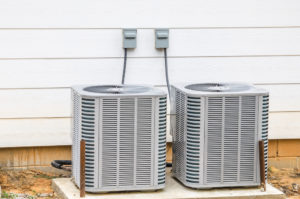
Your air conditioner should work for about 10 minutes to cool down your Ropesville, Texas, home and then shut off until the temperature rises again. HVAC short cycling occurs when a system turns on and off frequently without completing a full cooling cycle, often due to incorrect sizing or airflow issues. If your HVAC system is short-cycling or always turning on and off, it will make noise, cause unneeded temperature fluctuations, and waste energy. AC short cycling can also indicate underlying issues such as airflow restrictions, thermostat misreadings, or improper system calibration that affect overall cooling stability. It could also shorten your system’s life. You can prevent short-cycling by checking your thermostat, ensure the correct sizing of your air conditioner, and maintaining your HVAC system.
Checking Your Thermostat
For accurate readings, your thermostat should be near the center of your home. Incorrect thermostat placement is one of the common triggers of HVAC short cycling, as it can cause the system to misread indoor temperature conditions and shut off prematurely. It could cause short-cycling if it’s near a window or an outer wall where temperatures change faster. You should have your thermostat and the rest of your HVAC system checked regularly by a professional like the technicians at Bruce Thornton Air Conditioning.
Sizing Your Air Conditioner
If your air conditioner has too much cooling capacity for your home, short-cycling is almost guaranteed. How to prevent HVAC short cycling often begins with correct system sizing, since oversized units cool spaces too quickly and shut down before completing proper humidity and temperature regulation cycles. Experts use Manual J, also called the Residential Load Calculation, to find the system size you need based on factors like your home’s insulation, local temperatures, the amount of shade, and the number of windows and doors. Upgrading to a more efficient unit is expensive at first, but the investment can provide increased comfort and energy savings.
Maintaining Your HVAC System
Dirty ductwork or a clogged air filter can reduce your air conditioner’s airflow. It can also force your system to shut down before your home reaches the desired temperature to prevent overheating and damage. You should have any problems repaired before they can waste energy or force you to replace expensive equipment.
Bruce Thornton Air Conditioning (BTAC) is an Amana Advantage Specialist with over 50 years of experience. We can help you prevent problems like short-cycling and keep your HVAC system in excellent condition. Call us anytime at 806-589-1014 for outstanding service from our knowledgeable technicians.
Image provided by Shutterstock